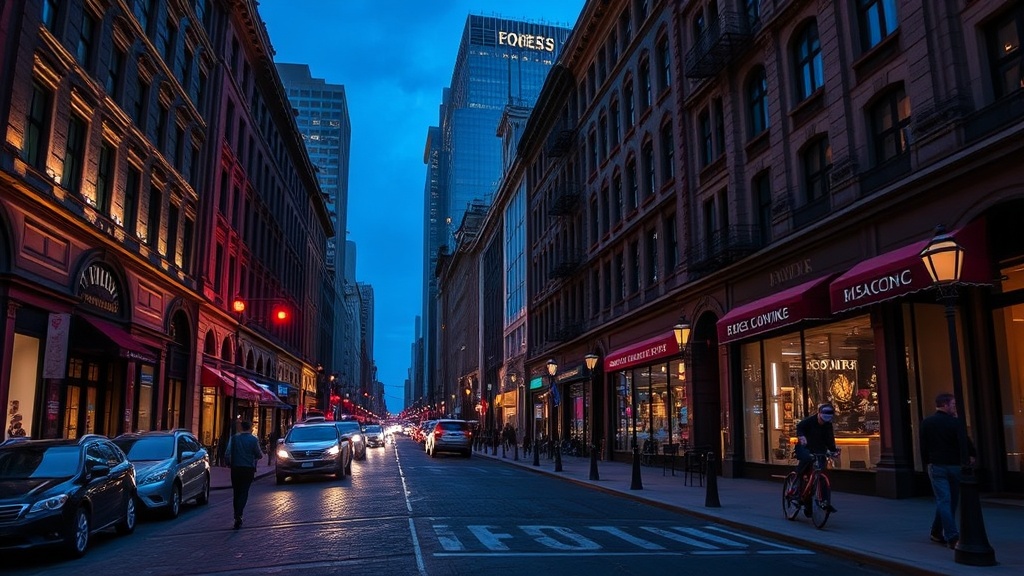
How Does Old Montreal's Historic Streetscape Affect Daily Life?

Most Montrealers don't realize that Old Montreal's cobblestone streets require entirely different maintenance schedules than asphalt roads — and that living here means adapting to infrastructure designed in the 18th century. For those of us who call this neighborhood home, the charm of historic character comes with practical realities that shape everything from grocery runs to winter walking routes.
This isn't a cautionary tale — it's a guide to thriving within Old Montreal's unique physical environment. Once you understand how the neighborhood's infrastructure works (and doesn't), you'll navigate these streets like the longtime locals do.
Why Do Old Montreal's Cobblestones Create Unique Challenges for Residents?
The cobblestone streets throughout Old Montreal — from Rue Saint-Paul to Rue de la Commune — weren't designed for modern life. They weren't even designed for cars. These granite blocks, some dating back to the 1800s, create a streetscape that looks picturesque in photographs but demands serious adaptation from daily users.
Walking on cobblestones requires different footwear than standard city sidewalks. Locals quickly learn that heels and smooth-soled shoes are treacherous year-round — but especially hazardous from November through March when ice settles into the gaps between stones. Many of us keep a pair of sturdy boots at our door and change shoes upon reaching the office (or home).
The physical impact extends beyond footwear. Cobblestones vibrate differently than asphalt. Delivery trucks passing over Rue Saint-Paul or Rue Notre-Dame create noticeable tremors in adjacent buildings. Residents of ground-floor units on these streets report that heavy vehicles can rattle windows and dishes. It's part of the character — though not always a welcome part at 6 AM.
Accessibility presents ongoing challenges. Wheelchair users, parents with strollers, and anyone with mobility limitations find certain blocks nearly impassable. The city has been gradually improving curb cuts and designated accessible routes, but progress is slow — partly because any changes require heritage approval that prioritizes historical accuracy over modern convenience. Rue Saint-Paul between Saint-Jean-Baptiste and Bonsecours offers one of the better-maintained accessible routes, while some smaller laneways remain effectively off-limits to wheels of any kind.
What Transportation Realities Should Old Montreal Residents Expect?
Living car-free in Old Montreal is not only possible — for many residents, it's practically necessary. The narrow streets, limited parking, and frequent closures make vehicle ownership an exercise in frustration (and expense).
Parking in Old Montreal operates under different rules than the rest of Montreal. Residential permits are limited and expensive. Street parking requires moving vehicles twice weekly for street cleaning — and missing the window means tickets that arrive with depressing regularity. Many buildings offer no resident parking at all, forcing car owners to rent spaces in nearby commercial garages or compete for scarce street spots.
Cycling presents its own complications. The cobblestones make biking uncomfortable at best and dangerous at worst. The city has added bike lanes along Rue de la Commune and parts of Rue Saint-Antoine, but these don't connect the neighborhood comprehensively. Most experienced cyclists stick to the asphalt portions or walk their bikes through the cobblestone core. BIXI stations exist at the neighborhood's edges — near Place Jacques-Cartier and the Old Port — but the density of tourists and uneven surfaces make cycling through the heart of Old Montreal inadvisable during peak hours.
Public transit access is actually excellent — once you know the patterns. The Orange Line's Place-d'Armes station sits at the neighborhood's northern edge, while Champs-de-Mars serves the western boundary. Bus routes 55 and 129 run along Rue Saint-Antoine, providing connections to downtown and beyond. But the STM doesn't run special service for Old Montreal's events, meaning residents compete with tourists for space during festivals and summer weekends.
How Do Delivery and Moving Logistics Work in Old Montreal?
Anyone who's tried to move furniture into an Old Montreal apartment knows the logistical nightmare of narrow doorways, steep staircases, and streets that may be closed for events without warning. Professional movers familiar with the neighborhood are worth their weight in gold — and charge accordingly for the expertise.
Most buildings in Old Montreal predate elevators. Walk-ups of three, four, or five stories are standard. Some buildings have retrofitted small elevators into interior courtyards, but many residents still haul groceries and laundry up winding staircases. Delivery drivers — from Amazon to local grocers — often refuse to carry items past the ground floor, citing insurance restrictions and time constraints.
Commercial deliveries face their own restrictions. Many streets close to vehicle traffic during summer months or special events. The city publishes advance schedules, but last-minute closures for film shoots or private events aren't uncommon. Residents learn to plan major deliveries for Tuesday through Thursday mornings — avoiding weekends entirely and checking the city's event calendar before scheduling anything important.
Waste collection operates on modified schedules in Old Montreal. The narrow streets can't accommodate standard garbage trucks during peak pedestrian hours, so collection often happens early morning (before 7 AM) or late evening. Recycling and compost pickup follow routes that skip certain blocks during high-tourism periods. Missing your window means storing bags for another week — not pleasant in July heat.
Which Seasonal Changes Most Affect Old Montreal's Infrastructure?
Winter transforms Old Montreal's streets from charming to genuinely hazardous. The gaps between cobblestones collect ice that doesn't melt evenly. Salt and sand help, but the city's plows can't clear these streets as efficiently as asphalt roads. The result is slippery conditions that persist for days after main roads are clear.
Spring brings its own challenges — potholes in the cobblestone mortar, shifting stones that create ankle-turning gaps, and gravel accumulation from winter maintenance. The city typically schedules major cobblestone repairs for April and May, meaning blocked streets and construction noise just as the weather improves.
Summer tourism peaks create pedestrian congestion that effectively closes certain streets to vehicle traffic entirely. Rue Saint-Paul becomes a slow-moving river of visitors from June through August. Locals learn alternate routes — cutting through residential courtyards, using service alleys, or simply timing errands for early morning or late evening.
Fall offers something of a sweet spot. The summer crowds thin after Labor Day, but the weather remains pleasant through October. Many Old Montreal residents schedule their home maintenance projects, dinner parties, and social visits for this window — knowing that winter challenges and summer tourism will soon return.
Where Do Locals Go to Escape the Infrastructure Challenges?
Experienced Old Montreal residents develop private routes that tourists never find. We know which alleys connect major streets without requiring navigation of the worst cobblestone sections. We know which buildings have public passages that offer dry shortcuts during rain. These aren't secrets we guard — they're just knowledge accumulated through daily living.
The waterfront path along the Old Port — specifically the paved section running parallel to Rue de la Commune — offers the most reliable accessible route through the neighborhood. It's flat, it's asphalt, and it's maintained year-round. Residents use it for morning runs, evening walks, and as a practical commuting corridor when the interior streets are clogged with events.
Champ-de-Mars Park provides green space that feels removed from the tourist core despite being minutes away. The terraced lawns and paved walkways offer a different texture underfoot — a welcome relief for feet tired of uneven stone. Similarly, the grounds around City Hall and the Bonsecours Market provide open paved areas where residents can move freely without navigating cobblestones or crowds.
For practical errands, many locals walk west to the edge of the neighborhood — where Saint-Antoine offers standard sidewalks, modern storefronts, and the STM's regular bus service. It's not as charming as the interior, but sometimes you just need to buy groceries without navigating tourist crowds and uneven pavement.
How Do Residents Adapt Their Daily Routines?
Living successfully in Old Montreal means adjusting expectations. We carry backpacks instead of rolling luggage. We wear practical shoes for the commute and change at our destination. We shop more frequently with smaller bags rather than trying to haul weekly groceries up narrow staircases.
We also develop relationships with neighborhood services that understand our constraints. The dépanneur on Rue Saint-Paul that delivers. The pharmacy that stocks prescriptions for same-day pickup. The dry cleaner who understands that you'll be walking, not driving, to collect your items. These small accommodations make daily life manageable — even comfortable — despite the infrastructure challenges.
The trade-off, of course, is waking up to views of 300-year-old architecture, walking past history on every corner, and living in a neighborhood that millions of visitors pay to experience briefly. We endure the cobblestones and the logistical complications because there's nowhere else in Montreal — arguably nowhere else in Canada — quite like Old Montreal.
And when the infrastructure frustrations peak — when we've turned an ankle on an uneven stone for the third time, or when a film shoot has blocked our street without warning — we remember that we chose this. We chose to live inside Montreal's living museum. The cobblestones aren't going anywhere. Neither are we.