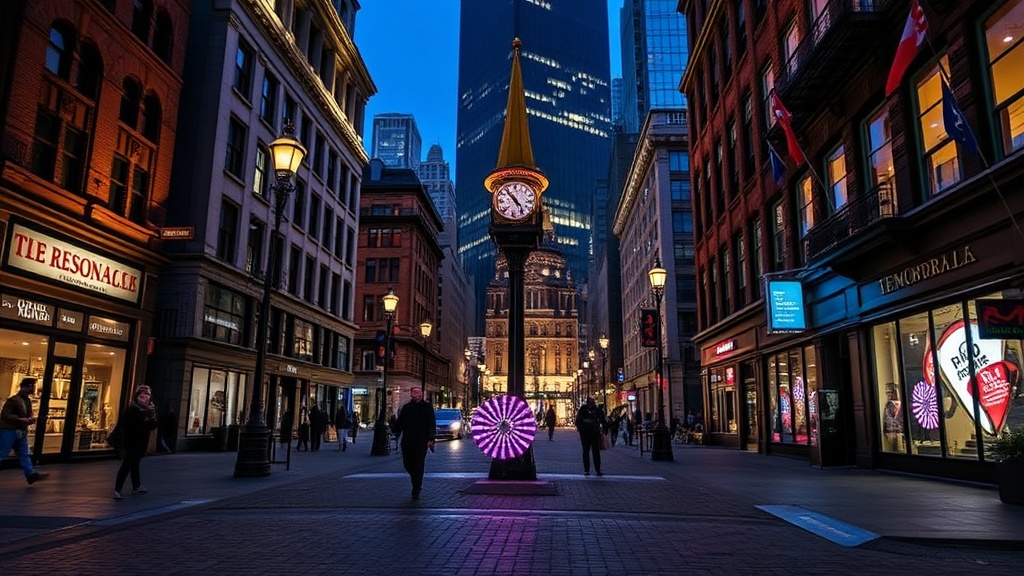
The One Walking Trick That Instantly Transforms Your Old Montreal Experience

Quick Tip
Use short, intentional pauses every few minutes while walking to notice details and transform your entire Old Montreal experience.
Most visitors walk through Old Montreal like they’re checking off a list: cobblestone streets, Notre-Dame Basilica, maybe a café stop, then on to the next thing. That approach misses what actually makes this neighborhood unforgettable.
The single trick that changes everything: stop treating Old Montreal as a route, and start treating it as a series of micro-pauses.
I’m not talking about slowing down in a vague, poetic sense. I mean deliberately inserting short, intentional stops every 3–5 minutes—even if it’s just for 20 seconds—to observe something specific. It sounds minor. It isn’t.
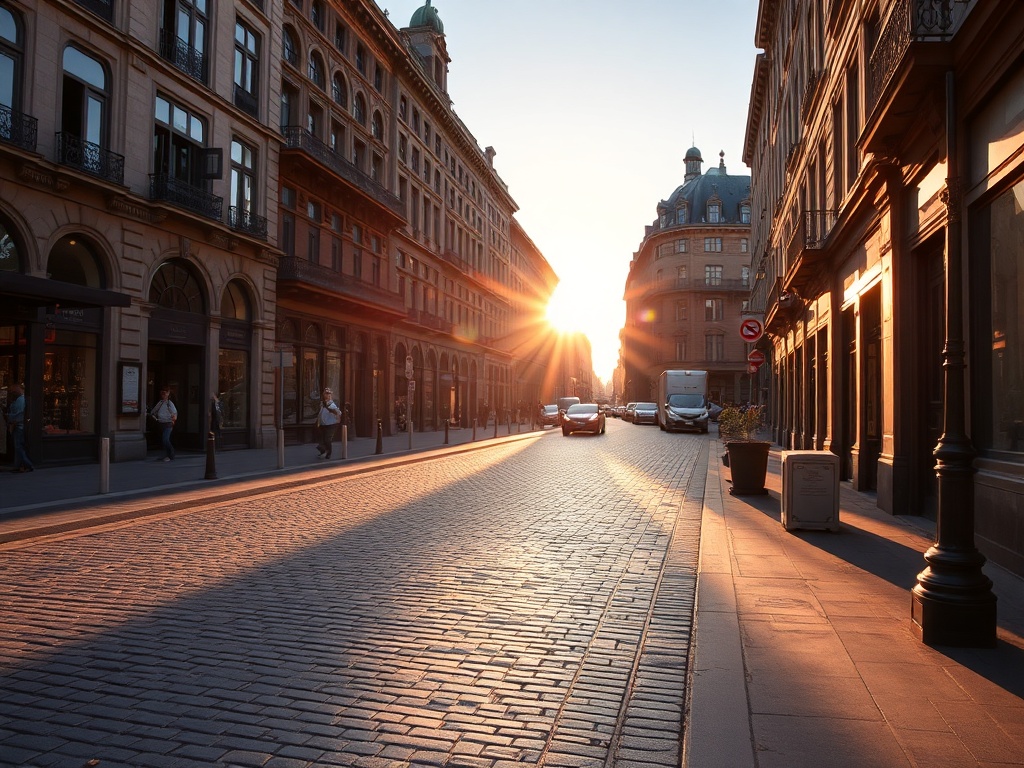
Why This Works Better Than Any Itinerary
Old Montreal isn’t built for speed. The streets are narrow, the architecture is layered, and the details are subtle. When you move too quickly, your brain filters most of it out.
Micro-pausing interrupts that autopilot. It forces you to notice texture, sound, and small shifts in atmosphere. The result is a completely different experience—one that feels richer without requiring more time.
Tourists often spend hours here and remember surprisingly little. Locals can spend 30 minutes and walk away with something vivid. The difference isn’t knowledge. It’s attention.
How to Do It (Without Feeling Awkward)
Here’s the simple structure:
- Walk normally for a few minutes
- Pick a single detail (a doorway, a balcony, a sound)
- Pause for 10–30 seconds and focus only on that
- Move on without overthinking it
You don’t need to stop in the middle of foot traffic or make it obvious. Step slightly to the side, lean against a wall, or pretend you’re checking your phone. The point is the shift in attention, not the performance.
Once you do this a few times, it becomes natural. You’ll start noticing things automatically.
Where This Trick Works Best
Some spots in Old Montreal reward this approach more than others:
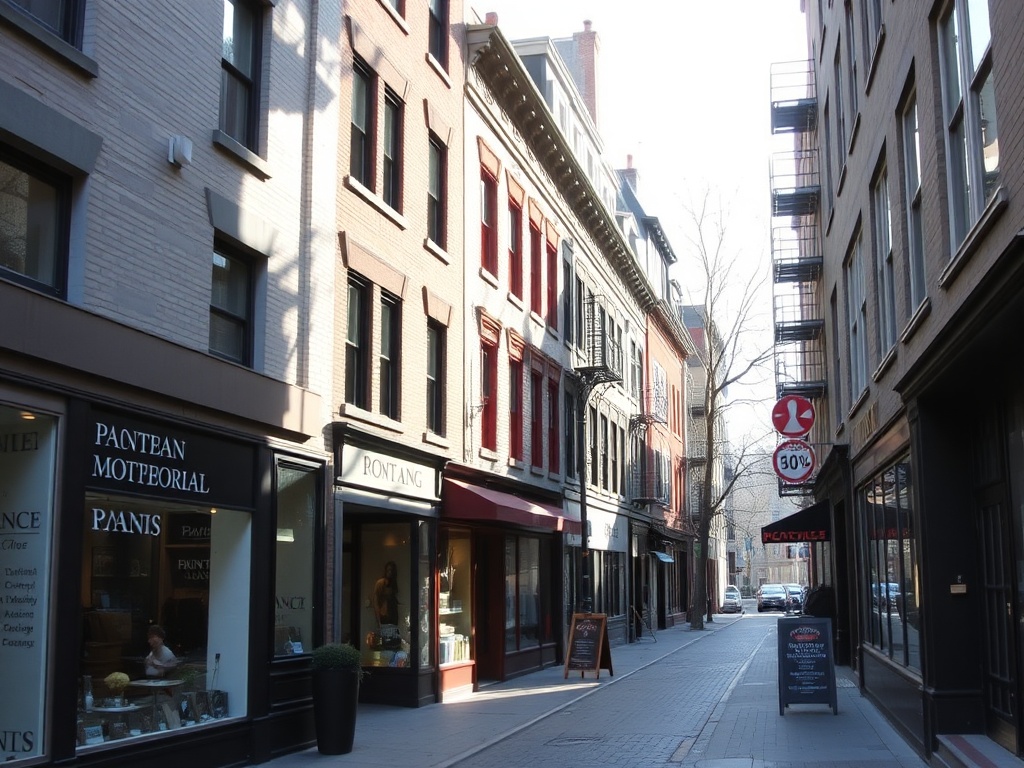
Rue Saint-Paul
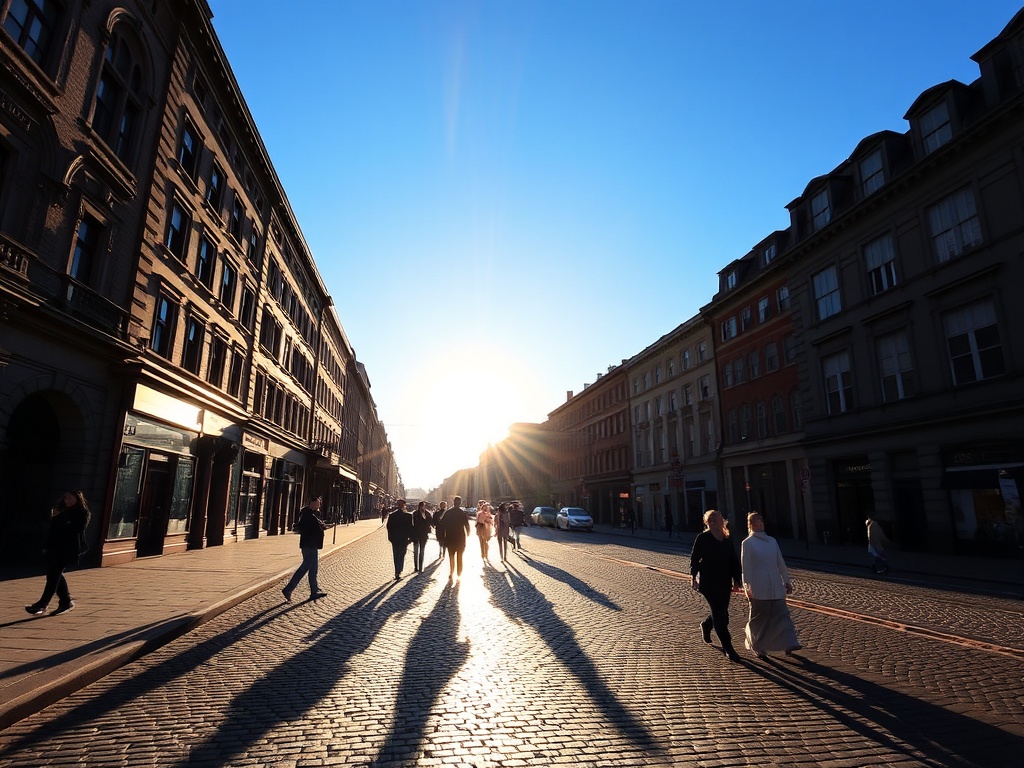
Everyone walks it. Few actually see it. Pause and look up—the upper floors tell a completely different story than the storefronts.
Place Jacques-Cartier (early morning or late evening)
Skip peak hours. In quieter moments, you’ll notice how the space breathes—musicians setting up, café chairs being arranged, the slope toward the river.
Near the Old Port
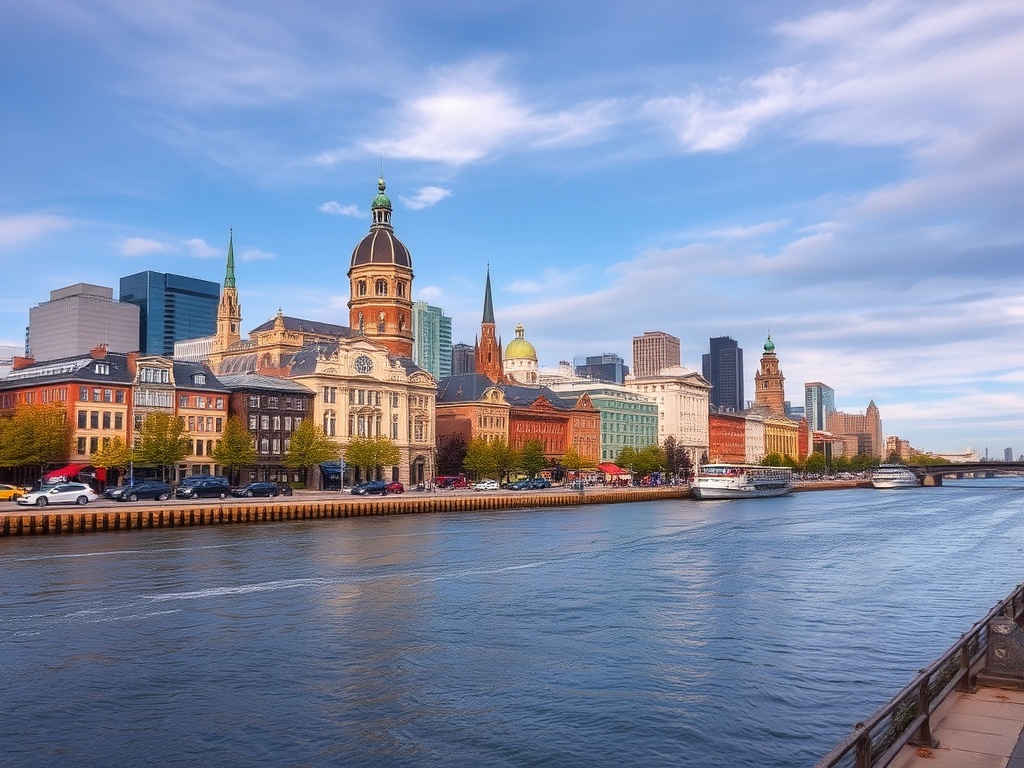
Don’t just face the water. Turn around and look back at the city. The contrast between open space and dense architecture is where the magic is.
What to Actually Look For
If you’re not used to this, it helps to have prompts. Try focusing on one of these during each pause:
- Textures: stone, wood, ironwork
- Sound layers: footsteps, distant voices, street performers
- Light: reflections on windows, shadows across cobblestones
- Movement: how people flow through a space
- Contrast: old vs. modern details side by side
This isn’t about being artistic. It’s about giving your brain something specific to latch onto so it stops skimming.
The Mistake Most People Make
They try to optimize their visit. More stops, more photos, more “must-sees.” It feels productive, but it flattens the experience.
Old Montreal doesn’t reward efficiency. It rewards presence.
If you remember one thing: you don’t need more places—you need deeper moments in the places you’re already in.
How This Changes Your Photos (Without Trying)
Interestingly, this trick also improves your photos without any technical effort.
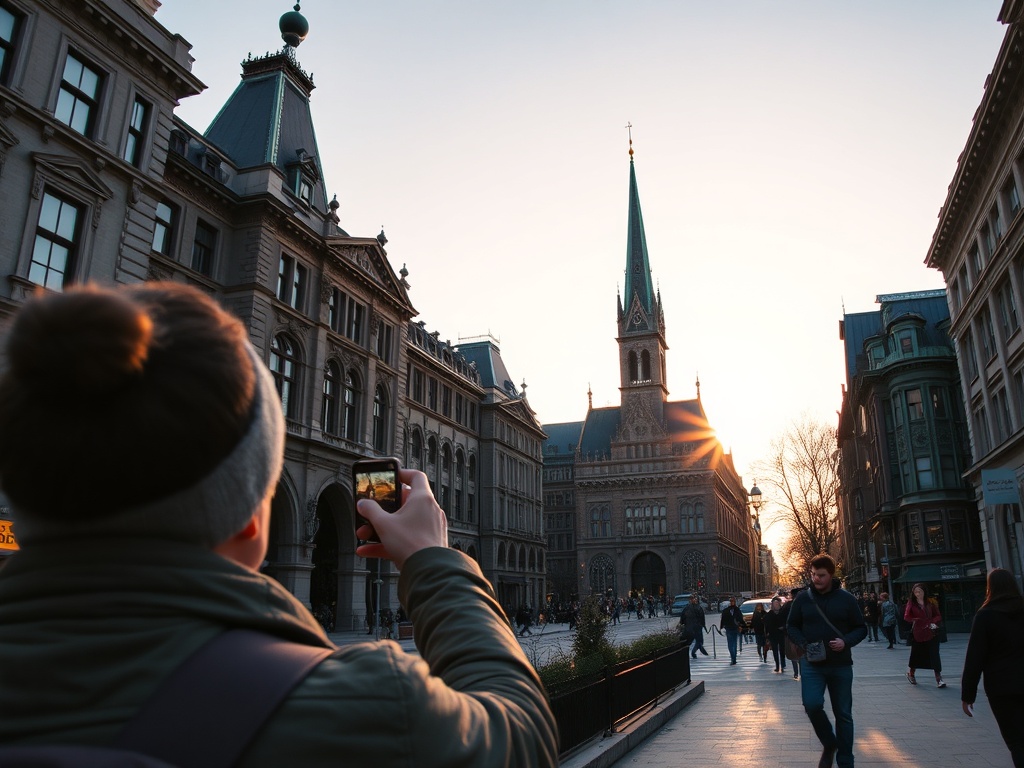
When you pause, you naturally wait for better light, better composition, or fewer people in the frame. You stop taking rushed, average shots and start capturing something intentional.
The difference is obvious when you look back later.
When to Use It
This works at any time, but it’s especially powerful:
- Early morning (before 9 AM)
- Golden hour (just before sunset)
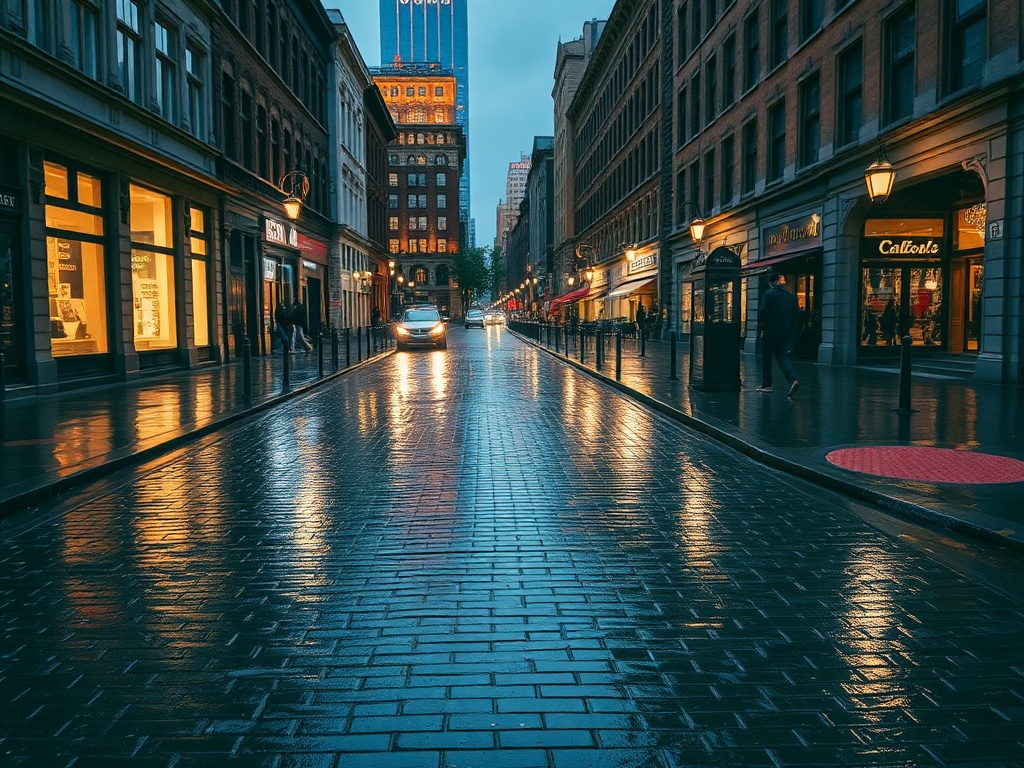
- Light rain (fewer crowds, better reflections)
In these moments, Old Montreal shifts from busy attraction to something closer to a living set piece.
The Real Payoff
You’ll leave with fewer checkmarks—and much stronger memories.
You’ll remember the way light hit a specific wall, the sound of a violin echoing down a narrow street, the feeling of standing still while everything moved around you.
That’s what people mean when they say a place “felt special.” It’s rarely the landmark itself. It’s the moment of attention you gave it.
Try this once, and you won’t go back to rushing through.